
.png)



.webp)
Unconventional nursing jobs are career paths that take nurses beyond traditional bedside care, allowing them to use their clinical expertise in settings like technology, law, aviation, offshore rigs, or health education. These unique roles often require extra training but can offer more flexibility and opportunities to impact healthcare in creative and specialized ways.
TL;DR: 5 Unconventional & Unique Nursing Jobs That Might Interest You
- Nursing careers are expanding beyond bedside care, with many unconventional roles available across healthcare, legal, travel, and education sectors.
- Unique nursing jobs include roles like flight nurse, cruise ship nurse, forensic nurse, nurse auditor, nurse writer, and nurse attorney, each offering different environments and responsibilities.
- These careers allow nurses to apply clinical knowledge in nontraditional settings, such as aircraft transport teams, legal systems, healthcare operations, or medical communications.
- While some roles require additional certifications, specialized training, or experience, they can offer benefits like flexible schedules, intellectual growth, and diverse career opportunities.
- For nursing students and professionals, exploring unconventional nursing paths can open doors to rewarding careers that impact healthcare in new and meaningful ways.
Why Nursing is Evolving Into Diverse and Unique Career Paths
Nursing is no longer limited to traditional bedside roles. Today, nursing students and registered nurses can pursue a wide range of specialized and unconventional career paths across healthcare, public health, education, and technology.
For many NP students, exploring these options begins during clinical training. The clinical environments you experience and the mentors you work with often shape the direction of your future career.
If you are still completing your clinical rotations, securing reliable preceptors is an essential first step. Create your free NPHub account today to connect with vetted preceptors and stay on track for graduation while exploring the many career paths available in nursing.
As healthcare evolves, the responsibilities of nurses continue to expand beyond traditional bedside care. Nurses now work in areas such as healthcare technology, workplace wellness, community health, and specialized patient education.
For example, nurses may:
- Educate patients about medical cannabis treatment options
- Support pregnancy and childbirth as nurse midwives
- Promote employee wellness as occupational health nurses
- Improve population health as public health nurses
These roles highlight how nurses contribute to patient care, prevention, education, and health system innovation.
In this guide, we explore five unconventional nursing careers that demonstrate how the profession continues to grow. From fast-paced clinical environments to emerging fields like healthcare informatics, these roles show how nurses are expanding their impact across the healthcare system.
The Evolving Landscape of Nursing Careers
Before exploring unconventional nursing jobs, it helps to understand how the nursing profession itself is changing. As healthcare becomes more specialized, nurses are finding new ways to apply their skills beyond traditional bedside roles.
Many nurses today pursue career paths that allow them to expand their impact on patient care, public health, education, and healthcare innovation. The profession is no longer limited to hospitals or clinics.
Nurses now work in a wide variety of settings, including:
- Corporate wellness programs as occupational health nurses
- Community health initiatives as public health nurses
- Maternal care as nurse midwives
- Specialized patient education roles, such as cannabis nursing
These roles highlight how nursing skills translate across many areas of healthcare and wellness.
For nursing students and NP students, exploring these possibilities early can help guide career decisions and clinical training choices. Exposure to different specialties during clinical placements often shapes the direction of a nurse’s long-term career.
Next, let’s explore these unconventional nursing careers that show how nurses are expanding their roles across the healthcare system.
1. Nurse Auditor
A nurse auditor works behind the scenes to review medical records, billing documentation, and healthcare processes to ensure accuracy, compliance, and proper reimbursement. Instead of providing direct bedside care, nurse auditors focus on evaluating how patient information is documented and how healthcare services are billed.
In this role, nurses analyze patient records, insurance claims, and clinical documentation to confirm that treatments, diagnoses, and procedures meet regulatory and financial requirements. Their work helps healthcare organizations avoid billing errors, improve documentation practices, and maintain compliance with insurance and government regulations.
Nurse auditors may also support hospitals, clinics, and healthcare organizations by identifying opportunities to improve operational efficiency. This can include reviewing coding accuracy, helping organizations reduce costly errors, and advising teams on documentation standards that support both patient care and financial stability.
Skills and Background
Most nurse auditors begin their careers as registered nurses (RNs) and later transition into auditing roles after gaining clinical experience. Understanding patient care workflows and clinical documentation is essential for reviewing records accurately.
Additional certifications or training in medical coding, healthcare auditing, or health information management can strengthen your qualifications. Organizations such as the AAPC offer certifications for healthcare auditors and medical coders working in clinical environments.
2. Forensic Nurse
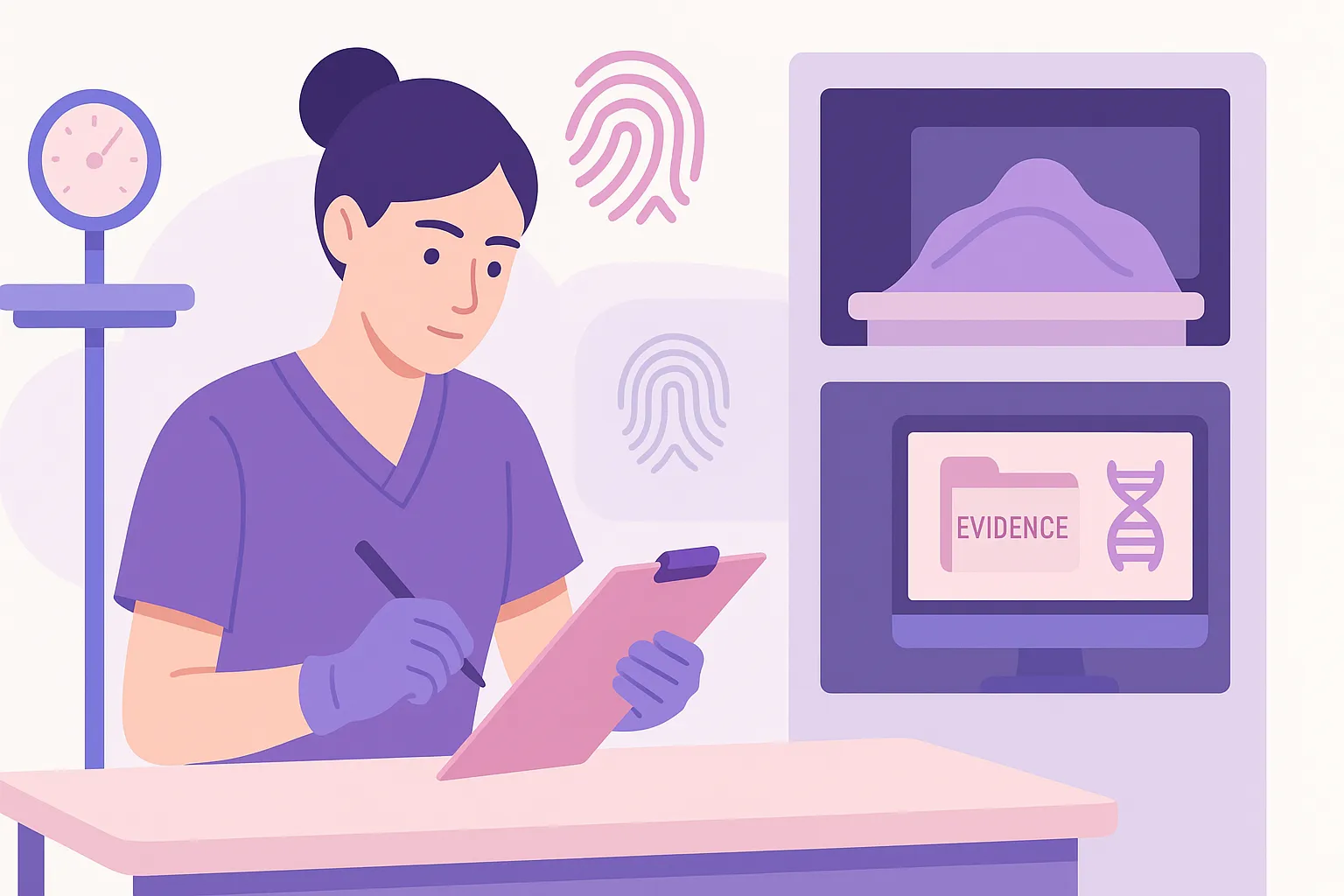
A forensic nurse is a registered nurse who provides medical care while also collecting and documenting evidence related to crimes. These nurses work at the intersection of healthcare and the legal system, supporting victims of violence while ensuring that medical evidence is properly preserved.
Forensic nurses often care for patients who have experienced sexual assault, domestic violence, child abuse, or other forms of trauma. In addition to treating injuries and providing emotional support, they carefully document findings, collect forensic evidence, and may later provide testimony in court.
Their work plays a critical role in both patient recovery and the justice process, helping ensure that victims receive compassionate care while legal investigations are supported by accurate medical documentation.
Where Forensic Nurses Work
While many forensic nurses work in hospitals or emergency departments, the field offers a variety of unique work environments. Forensic nurses may work in:
- Hospitals and emergency departments
- Sexual assault response teams (SART programs)
- Correctional facilities
- Medical examiner or coroner offices
- Community advocacy organizations
- Insurance or legal consulting roles
Because of this diversity, forensic nursing can be an appealing career path for nurses interested in criminal justice, victim advocacy, and trauma-informed care.
Education and Certification
Most forensic nurses begin their careers as registered nurses (RNs) and gain clinical experience before pursuing forensic training. Additional education or certification helps nurses develop the specialized skills needed for evidence collection and legal documentation.
Organizations like the International Association of Forensic Nurses (IAFN) offer education, training programs, and certifications such as the Sexual Assault Nurse Examiner (SANE) credential.
For nurses interested in combining healthcare with investigative work, forensic nursing provides a meaningful way to support patients while contributing to the broader justice system.
Read more: The highest paying nurse practitioner specialties
3. Cruise Ship Nurse
A cruise ship nurse provides medical care to passengers and crew members while traveling at sea. These nurses work in onboard medical clinics and handle a wide range of health concerns, from minor illnesses to emergency medical situations.
Because cruise ships operate far from traditional hospitals, cruise ship nurses must be comfortable working in fast-paced environments where quick decision-making is essential. They often treat conditions such as seasickness, respiratory infections, minor injuries, dehydration, and gastrointestinal illnesses. In more serious cases, they may assist physicians with emergency stabilization until a patient can be transported to a hospital on land.
Work Environment
Cruise ship nurses work as part of a small onboard medical team, typically alongside physicians and other healthcare professionals. The clinic on a cruise ship functions similarly to an urgent care or emergency department, providing care to both travelers and ship staff.
Responsibilities may include:
- Assessing and treating passengers with acute illnesses or injuries
- Administering medications and IV therapy
- Managing minor emergencies and stabilizing patients
- Maintaining medical records and documentation
- Coordinating emergency evacuations when advanced care is needed
In addition to clinical duties, cruise ship nurses must adapt to a unique living and working environment, often spending several months at sea during a contract.
Education and Requirements
Most cruise lines require nurses to hold an active registered nurse (RN) license and a Bachelor of Science in Nursing (BSN). Previous experience in emergency care, critical care, or urgent care settings is often preferred because of the variety of medical situations that can arise onboard.
Additional certifications such as Advanced Cardiac Life Support (ACLS) and Basic Life Support (BLS) are commonly required.
For nurses who enjoy travel and adventure, cruise ship nursing offers a unique opportunity to combine clinical work with global exploration. Nurses can gain diverse clinical experience while visiting destinations around the world.
Although compensation can vary depending on the cruise line and contract terms, many cruise ship nurses receive housing, meals, and travel benefits as part of their employment package.
If you're still in nursing school or working toward becoming a nurse practitioner, building strong clinical experience is key to unlocking career paths like cruise ship nursing. Create a free NPHub account to connect with verified preceptors and secure the clinical placements you need to graduate with confidence.
Read more: Ebony Thyme: The Perks of Being a Travel NP and Instagram Influencer

4. Flight Nurse
A flight nurse is a registered nurse who provides critical care to patients during air medical transport. These nurses typically work on medical helicopters or fixed-wing aircraft, helping stabilize and monitor patients while they are transported to hospitals for advanced treatment.
Flight nurses often care for patients experiencing serious trauma, cardiac emergencies, respiratory failure, or other life-threatening conditions. Because these situations occur in the air, flight nurses must make fast clinical decisions while working with limited equipment and resources.
Their role is essential in emergency medicine, ensuring that patients receive advanced medical care during transport and arrive at hospitals in the best possible condition for treatment.
Work Environment
Flight nurses are part of specialized air medical transport teams that typically include pilots, paramedics, and other emergency healthcare professionals. They frequently respond to accident scenes, rural emergencies, or hospital transfers where rapid transportation is necessary.
Common responsibilities include:
- Stabilizing critically ill or injured patients
- Monitoring vital signs and managing life-support equipment
- Administering medications and IV therapies
- Assisting with emergency procedures during transport
- Communicating with receiving hospitals and care teams
Because transport often occurs in unpredictable environments, flight nurses must remain calm under pressure and have strong critical care and emergency response skills.
Education and Requirements
Most flight nurses start their careers as registered nurses (RNs) and gain extensive clinical experience before transitioning into air medical transport.
Typical requirements include:
- A Bachelor of Science in Nursing (BSN)
- Several years of experience in emergency departments (ER) or intensive care units (ICU)
- Advanced certifications such as Advanced Cardiac Life Support (ACLS) and Pediatric Advanced Life Support (PALS)
Many flight nurses also pursue the Certified Flight Registered Nurse (CFRN) credential through the Board of Certification for Emergency Nursing (BCEN) to demonstrate specialized expertise in flight and transport medicine.
Read more: Should You Get an MBA as a Nurse Practitioner?
5. Nurse Writer
A nurse writer is a registered nurse who uses clinical knowledge to create healthcare content for patients, professionals, and organizations. Instead of working primarily in direct patient care, nurse writers focus on communicating medical information clearly and accurately.
Nurse writers produce a wide range of materials, including patient education guides, healthcare blog articles, training materials, policy documents, and continuing education content. Their clinical background allows them to translate complex medical topics into information that patients, healthcare professionals, and the public can easily understand.
As healthcare communication becomes increasingly digital, nurse writers play an important role in improving health literacy, patient education, and professional training resources.
Where Nurse Writers Work
Nurse writers can work in many different healthcare-related settings, including:
- Healthcare organizations and hospitals
- Medical publishing companies
- Health technology and digital health companies
- Continuing education platforms
- Public health organizations
- Healthcare marketing and content agencies
Many nurse writers also work as freelancers or consultants, allowing them to create flexible careers while still contributing to the healthcare industry.
Skills and Background
Most nurse writers start their careers as registered nurses (RNs) and later transition into writing roles after gaining clinical experience. Strong communication skills, medical knowledge, and attention to detail are essential in this field.
Experience in specialized areas—such as public health, wound care, or forensic nursing—can help nurse writers develop expertise in specific healthcare topics.
While formal writing certifications are not always required, skills in research, editing, and digital content creation can help nurses succeed in this growing field.
Bonus Unconventional Job: Nurse Attorney
A nurse attorney is a registered nurse who has also earned a law degree and passed the bar exam. This unique career path combines expertise in both healthcare and law, allowing professionals to work at the intersection of medical practice, legal systems, and health policy.
Nurse attorneys use their clinical background to interpret medical records, healthcare regulations, and standards of patient care in legal settings. Their dual training helps them analyze complex medical cases and explain clinical issues within legal proceedings.
What Nurse Attorneys Do
Unlike legal nurse consultants, who assist lawyers but do not practice law themselves, nurse attorneys can represent clients and actively participate in legal cases.
Common responsibilities may include:
- Analyzing medical records for legal cases
- Representing clients in healthcare litigation
- Working on medical malpractice or healthcare compliance cases
- Advising healthcare organizations on regulatory issues
- Contributing to healthcare policy and legal reform
Their clinical experience provides valuable insight when evaluating whether appropriate standards of medical care and patient safety were followed.
Where Nurse Attorneys Work
Nurse attorneys may work in several professional environments, including:
- Law firms specializing in healthcare litigation
- Hospitals and healthcare systems
- Government or regulatory agencies
- Healthcare policy organizations
- Legal consulting firms
Because they understand both the medical and legal aspects of healthcare, nurse attorneys often act as a bridge between healthcare professionals and the legal system.
Education and Career Path
To become a nurse attorney, professionals typically follow these steps:
- Become a registered nurse (RN)
- Gain clinical experience in healthcare settings
- Earn a Juris Doctor (JD) law degree
- Pass the state bar exam to practice law
This career path requires significant education, but it offers nurses the opportunity to influence healthcare law, policy, and patient advocacy.
Challenges and Rewards of Unconventional Nursing Careers
As the nursing profession evolves, many healthcare professionals are exploring unique nursing jobs that extend beyond traditional bedside roles. While these unconventional career paths can be exciting and impactful, they also come with their own challenges. Understanding both the obstacles and the rewards can help nurses decide whether these specialized roles align with their career goals.
For example, forensic nurses support victims of violence while carefully collecting and documenting medical evidence. Nurse midwives provide care throughout pregnancy and childbirth, often managing complex and high-stakes situations that require specialized training and experience.
Other roles focus on healthcare systems rather than direct bedside care. Occupational health nurses promote employee wellness and workplace safety, while public health nurses work within communities to prevent disease and improve population health outcomes. These roles highlight how diverse the nursing profession has become.
Common Obstacles in Specialized Nursing Roles
Many unconventional nursing careers require nurses to adapt in ways that differ from traditional hospital roles.
- 1. Adapting to New Environments
Moving away from traditional bedside settings into roles like forensic nursing or cruise ship nursing often means working in entirely new environments. For example, flight nurses deliver emergency care in high-pressure aerial situations while managing limited resources. - 2. Continuing Education and Certifications
Many specialized nursing roles require additional training or certifications. For example, legal nurse consultants and nurse attorneys often pursue legal education to strengthen their expertise in healthcare law and medical record analysis. - 3. Overcoming Misconceptions
Some unconventional nursing careers are misunderstood by colleagues who view them as less “hands-on.” However, roles such as nurse informatics specialists play a critical role in improving patient care through healthcare technology and electronic medical records. - 4. Navigating Less Traditional Career Paths
Unlike traditional hospital roles with clear advancement ladders, some unconventional nursing careers have less defined progression. Nurses exploring these paths may need to create their own professional development strategies.
Personal and Professional Benefits of Unique Nursing Jobs
Despite the challenges, many nurses find unconventional roles highly rewarding.
- Intellectual Growth
Specialized roles often require continuous learning. For example, nurse auditors must stay up to date with healthcare regulations, billing practices, and compliance standards. - Flexible Work Opportunities
Some unique nursing careers offer scheduling flexibility. Cruise ship nurses, for instance, may work several months at sea followed by extended time off. - Expanded Skill Sets
Unconventional roles allow nurses to develop expertise beyond traditional clinical care. A forensic nurse, for example, builds skills related to both healthcare and the legal system. - Broader Impact on Healthcare
Some roles influence healthcare systems rather than individual patient encounters. Nurse informaticists, for example, improve patient outcomes by optimizing healthcare technology and data systems. - Opportunities to Work Globally
Careers such as flight nursing or cruise ship nursing may provide opportunities to travel and work with diverse patient populations around the world.
Conclusion:
Unconventional nursing careers highlight how far the nursing profession has expanded beyond traditional bedside roles. From flight nurses providing emergency care in the air to cruise ship nurses treating patients at sea, these paths demonstrate the adaptability and diverse opportunities available in modern healthcare.
Roles such as forensic nurses, nurse auditors, nurse writers, and nurse attorneys show that nurses can contribute far beyond hospital settings, impacting legal systems, healthcare operations, education, and patient advocacy. These careers allow nurses to apply their clinical expertise in new environments while continuing to improve patient outcomes and healthcare systems.
For nursing students and registered nurses considering non-traditional paths, these careers offer opportunities for professional growth, intellectual challenge, and flexible work environments. While many specialized roles require additional training or certifications, they can also open doors to unique and fulfilling career opportunities.
As healthcare continues to evolve, new nursing specialties will continue to emerge. Exploring different career paths can help nurses find roles that align with their skills, interests, and long-term goals.
If you're still completing clinical rotations on your path to becoming a nurse practitioner, gaining the right hands-on experience is essential. Create your free NPHub account today to connect with verified preceptors and secure the clinical placements you need to stay on track toward graduation.
Frequently Asked Questions
1. How do salaries for unconventional nursing jobs compare to traditional nursing roles?
Salaries for unconventional nursing jobs can vary widely depending on the specific role, location, and level of expertise required. It’s important to research each specific role and consider the total compensation package, including benefits and unique opportunities, when comparing salaries.
2. What non-bedside nursing jobs are available for those who want to move away from direct patient care?
There are numerous non-bedside nursing jobs available for nurses seeking a change from direct patient care. Some options include:
- Nurse educator roles in academic settings or healthcare facilities
- Public health nurses focusing on community health initiatives
- Health policy nurses working in government or advocacy organizations
- Nurse researchers contributing to medical advancements
- Occupational health nurses in corporate settings
- Telemedicine nurses providing remote patient care
These roles allow nurses to leverage their clinical knowledge and skills in diverse settings while moving away from traditional bedside care.
3. Are there any emerging or unusual nursing specialties that aren't widely known yet?
Yes, several emerging and unusual nursing specialties are gaining recognition:
- Nurse Health Coaches
- Occupational health nurses in corporate settings
- Wound care nurses focusing exclusively on complex wound management
- Parish nurses combining spiritual care with health promotion in faith communities
These specialties reflect how nursing skills can be applied in various healthcare and community settings.
4. How can I transition from a traditional nursing role to one of these unconventional nursing jobs?
Transitioning to an unconventional nursing job often involves the following steps:
- Research the specific role you're interested in to understand its requirements.
- Gain relevant experience in your current position that aligns with the new role.
- Pursue additional education or certifications if required (e.g., a master's degree or specialized training).
- Network with professionals already working in the field through professional organizations or LinkedIn.
- Look for entry-level or transitional positions that can serve as a bridge to your desired role.
- Consider volunteering or shadowing in the new specialty to gain experience and make connections.
Remember, many skills from traditional nursing, such as critical thinking and patient communication, are also valuable in unconventional roles.
5. How do these unconventional nursing roles impact the healthcare system?
Unconventional nursing roles play a crucial part in enhancing the overall healthcare system in several ways:
- Improving patient outcomes: Roles like nurse navigators help patients better understand and manage their care, leading to improved health outcomes.
- Enhancing efficiency: Nurse informaticists optimize healthcare technology and electronic medical record systems, streamlining processes and reducing errors.
- Expanding access to care: Telemedicine nurses and cruise ship nurses provide medical services in non-traditional settings, increasing access to healthcare.
- Advancing medical knowledge: Nurse researchers contribute to the development of new treatments and care protocols.
- Promoting public health: Public health nurses and nurse health coaches focus on preventive care and community wellness, reducing the burden on acute care services.
- Ensuring patient safety: Infection control nurses and nurse auditors work to maintain high standards of care and regulatory compliance.
By filling these specialized roles, nurses contribute to a more comprehensive, efficient, and effective healthcare system that extends far beyond traditional hospital and clinic settings.
Read more: How nurses can become better patient educators
6. What skills are most valuable for unconventional nursing jobs?
Nurses working in unconventional roles often rely on a mix of clinical expertise and transferable professional skills. Some of the most valuable skills include:
- Critical thinking for making decisions in unfamiliar environments
- Strong communication skills for collaborating with healthcare teams and other professionals
- Adaptability when working in unique settings such as air transport or remote environments
- Attention to detail for roles involving documentation, auditing, or medical writing
- Leadership and problem-solving abilities when coordinating care or managing complex situations
These skills help nurses succeed in specialized positions that go beyond traditional bedside care.
7. Which unconventional nursing jobs involve travel or unique work environments?
Several unconventional nursing careers allow professionals to work in nontraditional locations or travel frequently. Some examples include:
- Flight nurses providing emergency medical care during air transport
- Cruise ship nurses caring for passengers and crew while traveling internationally
- Public health nurses working in communities, schools, or government programs
- Occupational health nurses supporting employee health within corporate environments
- Forensic nurses assisting victims of violence and collaborating with legal teams
These roles can provide exciting opportunities for nurses who want a career outside the traditional hospital setting.
8. What steps can nurses take to prepare for unconventional nursing careers?
Nurses interested in exploring nontraditional roles can start building the right experience and qualifications early in their careers. Some helpful steps include:
- Gaining clinical experience in areas such as emergency care, ICU, or community health
- Researching specialized certifications required for certain roles
- Networking with professionals already working in unconventional nursing fields
- Joining professional organizations related to specialized nursing careers
- Continuing education to develop expertise in emerging areas of healthcare
These steps can help nurses gradually transition into specialized roles while strengthening their professional skills and career opportunities.
Article details
- Last updated
June 2, 2026 - Fact-checked by
NPHub Clinical Placement Experts & Student Support Team - Sources and references
- https://www.wgu.edu/career-guide/healthcare/nurse-auditor-career.html
- https://www.nursingworld.org/content-hub/resources/nursing-resources/how-to-become-a-forensic-nurse/
- https://www.forensicnurses.org
- https://www.forensicnurses.org/page/aboutSANE/
- https://www.nphub.com/blog/highest-paid-nurse-practitioner-salaries
- https://nurse.org/articles/cruise-ship-nurse/
- https://www.airforce.com/careers/healthcare/flight-nurse
- https://bcen.org/cfrn/
- https://bcen.org
- https://www.nphub.com/blog/mba-for-nurse-practitioner
- https://www.nphub.com/blog/nurses-leaving-bedside
- https://www.nphub.com/blog/become-legal-np-consultant
- https://www.nurse.com/nursing-resources/definitions/what-is-a-nurse-writer/
- https://nursing.jnj.com/specialty/nurse-attorney
Find a preceptor who cares with NPHub
Book a rotation.webp)
.jpeg)

.webp)
.jpeg)


%20(3)%20(2).svg)
.webp)